Table of Contents
Cricket isn’t just a sport—it’s a religion for millions. From dusty village grounds to packed stadiums roaring with energy, cricket has produced legends whose names echo across generations. But where do these legends live forever? That’s where the ICC Hall of Fame comes in.
Think of it as cricket’s version of Mount Olympus—a sacred space where the greatest contributors to the game are immortalized. Whether you’re a die-hard fan or a casual viewer, understanding the ICC Hall of Fame helps you appreciate cricket’s rich legacy even more.
Why Cricket Needed a Hall of Fame
Every sport needs a memory vault. Records can be broken, trophies can gather dust, but legacy? That needs preservation. Cricket spans over a century, and without a proper institution, many pioneers risk being forgotten. The ICC Hall of Fame ensures that never happens.
Role of ICC in Preserving Cricket History
The International Cricket Council (ICC) is cricket’s global governing body. Beyond organizing tournaments, one of its key roles is safeguarding the sport’s heritage. The Hall of Fame is ICC’s way of saying, “These people shaped the game we love.”
History of the ICC Hall of Fame
When Was the ICC Hall of Fame Established?
The ICC Hall of Fame was launched in 2009, marking the ICC’s centenary celebrations. It was a symbolic moment—100 years of cricket governance honored by recognizing the greatest contributors of all time.
Partnership With the MCC
The ICC partnered with the Marylebone Cricket Club (MCC), the custodian of cricket laws and owners of Lord’s Cricket Ground. This collaboration added prestige and historical depth to the Hall of Fame.
Early Years and First Inductees
The inaugural class included cricketing giants like Sir Don Bradman, Sir Garfield Sobers, and Jack Hobbs. It was like opening night at the Oscars—only with bats and balls instead of tuxedos.
Purpose and Vision of the ICC Hall of Fame
Honoring Cricket Legends
At its core, the ICC Hall of Fame exists to honor those who made extraordinary contributions to cricket—on and off the field. These are players who didn’t just play the game; they redefined it.
Inspiring Future Generations
Young cricketers often look for heroes. The Hall of Fame serves as a blueprint, showing aspiring players what excellence, discipline, and passion can achieve.
Who Can Be Inducted Into the ICC Hall of Fame?
Eligibility Criteria
Not everyone with a good average makes the cut. Inductees must have had a significant impact on the game at the highest level.
Retirement Rules
Players must be retired from international cricket for at least five years before becoming eligible. This cooling-off period ensures fair evaluation beyond emotional bias.
Playing and Non-Playing Contributors
It’s not just players. Umpires, administrators, and other contributors who shaped cricket’s evolution can also be inducted.
Selection Process Explained
Who Selects the Inductees?
A panel comprising former players, cricket historians, and ICC officials reviews nominations. It’s a brain trust of cricketing wisdom.
Voting and Evaluation Process
Candidates are evaluated based on statistics, influence, sportsmanship, and legacy. Numbers matter—but so does impact.
Categories of ICC Hall of Fame Inductees
Male Cricketers
From early-era test specialists to modern-day legends, male cricketers form the largest category.
Female Cricketers
Women’s cricket has finally received its rightful spotlight, and the Hall of Fame reflects that progress.
Special Contributors to Cricket
These include umpires, coaches, and administrators who changed the game behind the scenes.
Famous Players in the ICC Hall of Fame
Legendary Batsmen
Sir Don Bradman, Sachin Tendulkar, Brian Lara—names that feel like poetry to cricket fans. Their batting wasn’t just skill; it was art.
Iconic Bowlers
Wasim Akram, Malcolm Marshall, Shane Warne—bowlers who could bend reality with a cricket ball.
All-Rounders Who Changed the Game
Sir Garfield Sobers and Jacques Kallis showed the world that you don’t have to choose between bat and ball.
Wicketkeepers and Captains
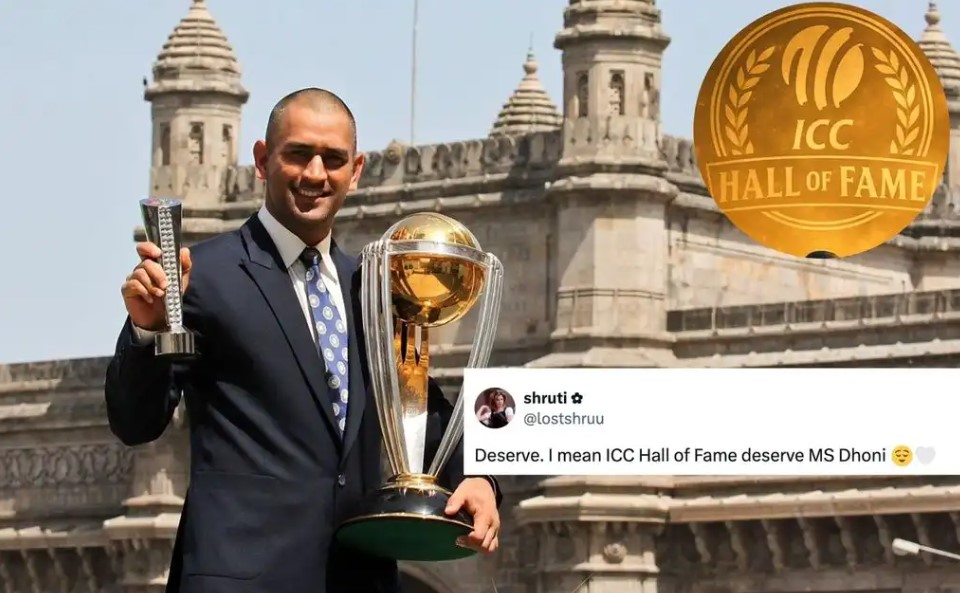
Adam Gilchrist and MS Dhoni proved leadership and innovation matter just as much as stats.
Women in the ICC Hall of Fame
Pioneers of Women’s Cricket
Players like Rachael Heyhoe-Flint laid the foundation when women’s cricket had little recognition.
Modern-Era Female Legends
Mithali Raj and Belinda Clark carried the torch forward, inspiring millions of young girls worldwide.
Countries With the Most Hall of Famers
Dominant Cricketing Nations
England, Australia, India, and West Indies dominate the list—no surprise given their cricketing histories.
Representation From Associate Nations
The ICC also ensures inclusivity by recognizing contributions beyond traditional powerhouses.
ICC Hall of Fame Induction Ceremonies
When and Where Inductions Happen
Inductions often take place during major ICC events, adding grandeur to already iconic tournaments.
Emotional Moments and Tributes
Tears, standing ovations, and heartfelt speeches—these ceremonies remind us cricket is deeply human.
Difference Between ICC Hall of Fame and Other Sports Halls of Fame
How Cricket’s Hall of Fame Is Unique
Unlike many sports halls of fame, ICC’s version emphasizes global impact over regional popularity.
ICC Hall of Fame and Lord’s Cricket Ground
The Physical Home of the Hall of Fame
Located at Lord’s in London, the Hall of Fame has a physical exhibition where history breathes through memorabilia.
Impact of the ICC Hall of Fame on Cricket Fans
Fan Engagement and Global Recognition
For fans, it’s a bridge between eras—connecting today’s matches with yesterday’s legends.
Criticism and Debates Around the ICC Hall of Fame
Controversial Omissions
Every list sparks debate. Some legends are still waiting, fueling passionate discussions.
Era and Bias Discussions
Comparing players across eras isn’t easy, and critics often highlight perceived biases.
How Players React to Being Inducted
What It Means to Cricketers
Many inductees describe it as the highest honor of their careers—above trophies and records.
Future of the ICC Hall of Fame
Expanding Recognition
Expect more inclusivity, especially for women’s cricket and associate nations.
Digital and Global Reach
Virtual exhibitions and global fan engagement are shaping the Hall of Fame’s future.
Conclusion: Why the ICC Hall of Fame Truly Matters
The ICC Hall of Fame is more than a list of names—it’s cricket’s soul archive. It preserves stories, honors greatness, and inspires the future. In a game where generations overlap and legends never truly fade, the Hall of Fame ensures cricket remembers its heroes forever.